

Art therapy is art therapy, i.e. a therapeutic method in which emotions and thoughts are expressed through artistic activities. It is used in the treatment of mental and emotional disorders, as well as in work with people with disabilities. The British artist Adrian Hill is considered to be its creator.
Types of art therapy
The most commonly used art therapy techniques are:
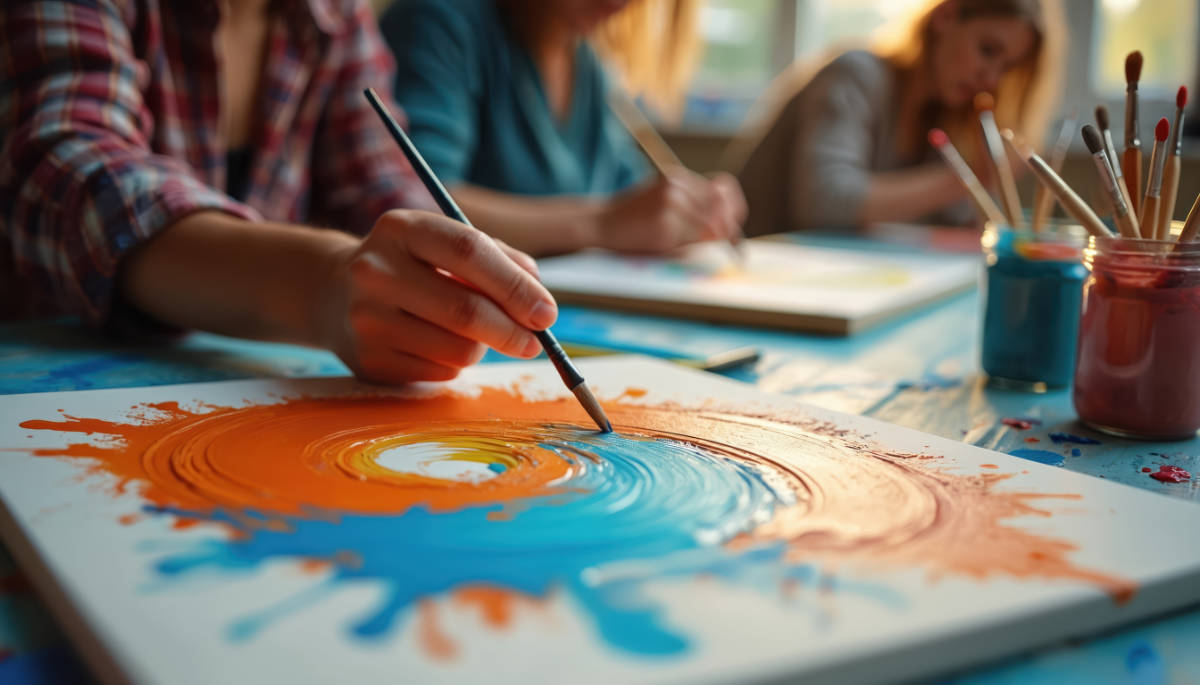
- Art therapy – various artistic activities, e.g. intuitive painting, i.e. spontaneous, focused on the process itself, not on the final effect. It allows you to feel creative joy and at the same time express your feelings.
- Theatre therapy – consists of acting out scenes or theatrical improvisation. Playing different roles allows you to experience the emotions that accompany certain actions in a safe way.
- Music therapy – it is primarily playing simple instruments and singing, but sometimes also listening to music. It develops hearing and promotes the resolution of emotional problems.
- Film therapy – means watching films and talking about the emotions they evoke. It allows you to identify with the problems of the characters, and on this basis work on your own difficulties.
- Bibliotherapy – reading therapeutic fairy tales, fairy tales or other texts that are emotionally engaging. As in the case of film therapy, the participants of the classes can identify with the experiences of the characters.
- Choreotherapy – includes movement and, above all, dance, including free dance. It makes it easier to express emotions related to the body and touch.
Advantages of art therapy and its application
Art therapy gives you the opportunity to express repressed emotions, reduce stress and anxiety, as well as improve creativity, develop concentration and gain greater self-confidence. For these reasons, it is often used in working with patients experiencing problems such as anxiety disorders, trauma, depression or low self-esteem.