



Violence in society is a serious and, unfortunately, widespread problem that affects people regardless of age, gender or social status. Forms of violence can be different – e.g. physical, psychological, economic or sexual violence. Each of them has long-lasting and profound consequences, which is why it is so important that those experiencing it receive specialist help – therapy for victims of violence will help them deal with the trauma and regain control over their lives.
Victims of violence are people who have experienced suffering as a result of deliberate action or neglect on the part of other people or institutions. Each such situation causes psychological damage, including depression and post-traumatic stress disorder. Dealing with a difficult past and eliminating its impact on the present life requires psychological support, often in the form of psychotherapy.
How to recognize psychological, physical and sexual violence?
Violent behavior is any action that aims to induce fear, subordinate and control another person. Although violence can take many forms, all these behaviors have a common goal – to dominate the victim or profit from him or her in various types, even if he is a child.

Forms of psychological violence include excessive control, bullying, gaslighting or isolation. They can manifest themselves in behaviors such as undermining the victim’s life decisions, controlling their finances or limiting their contacts with other people – cutting off the support of family and friends in order to deepen their dependence on the abuser. In addition, we can mention, for example, bullying – verbal, emotional, even physical threats, which are aimed at causing the victim a sense of powerlessness and fear.
It is worth knowing what behaviors to pay attention to in order to be able to react to disturbing signals in our environment – e.g. when we suspect that one of our loved ones is a victim of domestic violence or a victim of violence in a relationship, do not hesitate to support this person by suggesting some actions, being in contact or reporting it to the appropriate services or structures.
One of the possible forms of help will be psychotherapy and therapeutic support for victims of violence in the form of individual psychotherapeutic sessions. Sometimes you have to think about psychiatric treatment or even a hospital stay right away. It is imperative to go for help!
Who can be a victim of violence?
Victims of violence include any person who has experienced:
- psychological violence – e.g. humiliation, stalking, intimidation,
- physical violence – beating, pushing, jerking or holding
- economic violence – m.in. taking money, preventing gainful employment or destroying property,
- sexual violence – e.g. rape or harassment,
- negligence – failure to meet the basic needs of dependent persons (e.g. persons with disabilities).
It is worth noting that violence does not have to mean direct contact between the victim and the perpetrator. In recent years, the number of cases of the so-called cyberbullying.
Effects of violence on mental and physical health
People who have experienced violence struggle with problems such as:
- anxiety disorders,
- post-traumatic stress disorder,
- depression,
- low self-esteem,
- guilt and shame,
- distrust of others,
- difficulties with building relationships,
- sleep disorders,
- psychosomatic ailments, such as digestive problems and headaches.
What does therapy for victims of violence look like?
When working with people who have experienced violence, psychotherapy focused on working through the trauma is used. The patient learns about the mechanisms of violence, learns to express their emotions and rebuilds their self-esteem. Individual therapy can be complemented by group therapy, in which participants give each other support and a sense of understanding.
Therapy for victims of domestic violence
Domestic violence has serious and long-lasting effects, not only on the physical but above all on the mental health of the victims. These are not only direct and visible consequences, such as bruises or fractures, but also long-term effects and mechanisms that arise and are consolidated at the level of functioning. Domestic violence includes both mental and physical abuse of the victim and, unfortunately, very often sexual abuse in childhood and not only in childhood.
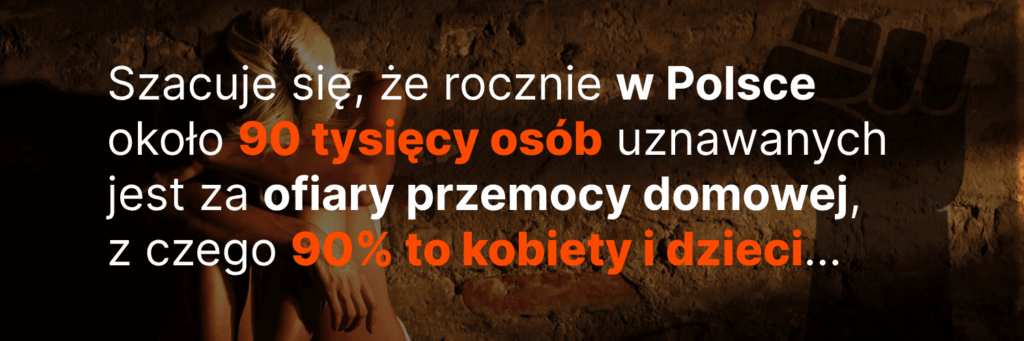
Victims of such abusive behaviour in the family often struggle with anxiety, depression, feelings of powerlessness and low self-esteem. Constant stress and tension can also result in somatic symptoms, such as chronic pain, sleep disorders or problems with the digestive system.
Violence can lead to various types of trauma, including PTSD and complex c-PTSD, which is one of the most severe violence disorders. Symptoms of trauma have a profound impact on the daily lives of victims – they can lead to difficulty concentrating, problems at work and study, social isolation, and difficulties in establishing and maintaining healthy relationships. Traumatic experiences also affect the perception of oneself and the world around them, causing feelings of constant threat and distrust of others. That is why it is so important to pay attention to and react to worrying signals.
Psychological help for victims of domestic violence is possible, and therapy for victims of domestic violence, especially focused on trauma, can help victims of violence cope with symptoms, process traumatic experiences, and rebuild a healthy, stable life.
At this link you can find out how therapy for victims of domestic violence helps to understand and work through the trauma they have experienced, rebuild self-esteem and regain control over their lives…
Psychological support for victims of harassment and rape

In the IPSK Clinic of Paulina Kubś, MSc, support of this type is offered to adults who have difficulties in functioning in some area of their lives as a result of the trauma they have suffered. Psychotherapy of this type is ultimately long-term, assumes an interventional approach (direct and quick building of hypotheses and finding solutions together) and a slow work through difficulties, including as many different symptoms as possible associated with various disorders that are a consequence of the trauma experienced. The therapy is also supportive here, and lasts as long as the patient needs. Men are also victims.
Therapy for a victim of violence is one of my main specializations! Get in touch and let us help you!
Trauma therapy after violence – what is it?
Psychotherapy for victims of various types of violence, including sexual violence such as rape or harassment, is always Trauma Psychotherapy (examples of related disorders: DDA syndrome, DDD syndrome, sexual trauma, victims of violence, PTSD, mourning, memory disorders, dissociative disorders, identity disorders, panic attacks, derealizations, etc.), i.e. it is a psychotherapeutic process that usually requires a longer period of meetings (from 2 to even 10 years), even with a higher frequency of meetings during the week.
What psychological effects can violence cause?
People who come to psychotherapy suffer from such traumas as, for example, alcoholism of one of their parents or loved ones, being a victim of pathological patterns of behavior and communication in the family, or violence from loved ones or the environment. They sometimes experience social exclusion (scapegoat syndrome), their lives are inscribed with loss (not necessarily the death of a loved one) or they have been exposed to a huge number of external factors that threaten their lives. All these problems are often accompanied by psychosomatic ailments. They are often abandoned in their harm.
How does the process of recovery after trauma work?
The basis for recovery is a return to the past, memories, satisfying the need to share and cry out the trauma, but also the inner defeat of the perpetrators by increasing their life force and making better choices in life (IPSK method).
All this allows us to go beyond the pattern of trauma, which unconsciously remains in the minds of victims and children from families with dysfunction for many years. Such people need to know their sensitive places, leave the trauma as a known and cared for chapter in their lives, and make an absolute decision NEVER AGAIN. Therefore, this type of therapy takes a long time and requires a lot of energy from patients. After some time, wings cut as a result of trauma can grow back and be strong regardless of the injuries and harm suffered.
Why is trauma psychotherapy a long-term process?
During trauma psychotherapy, I primarily deal with creating a base for people who are too emotionally fragile in a given period of life to undertake a deeper type of psychotherapy (psychoanalysis or psychodynamic psychotherapy) and who want to start such a process in the future. It also gives the opportunity to continue long-term psychotherapy, but under different conditions.
That’s why it’s worth starting with the base, because it strengthens the basic emotional and mental structures, which allows you not to be afraid of confrontation and naming problems. People who are able to talk openly about their problems complete psychotherapeutic processes much faster. Sometimes it takes up to a year or two of psychotherapy to perform the act of naming the problem.
I invite you to psychotherapy.
Paulina Kubś, MA