


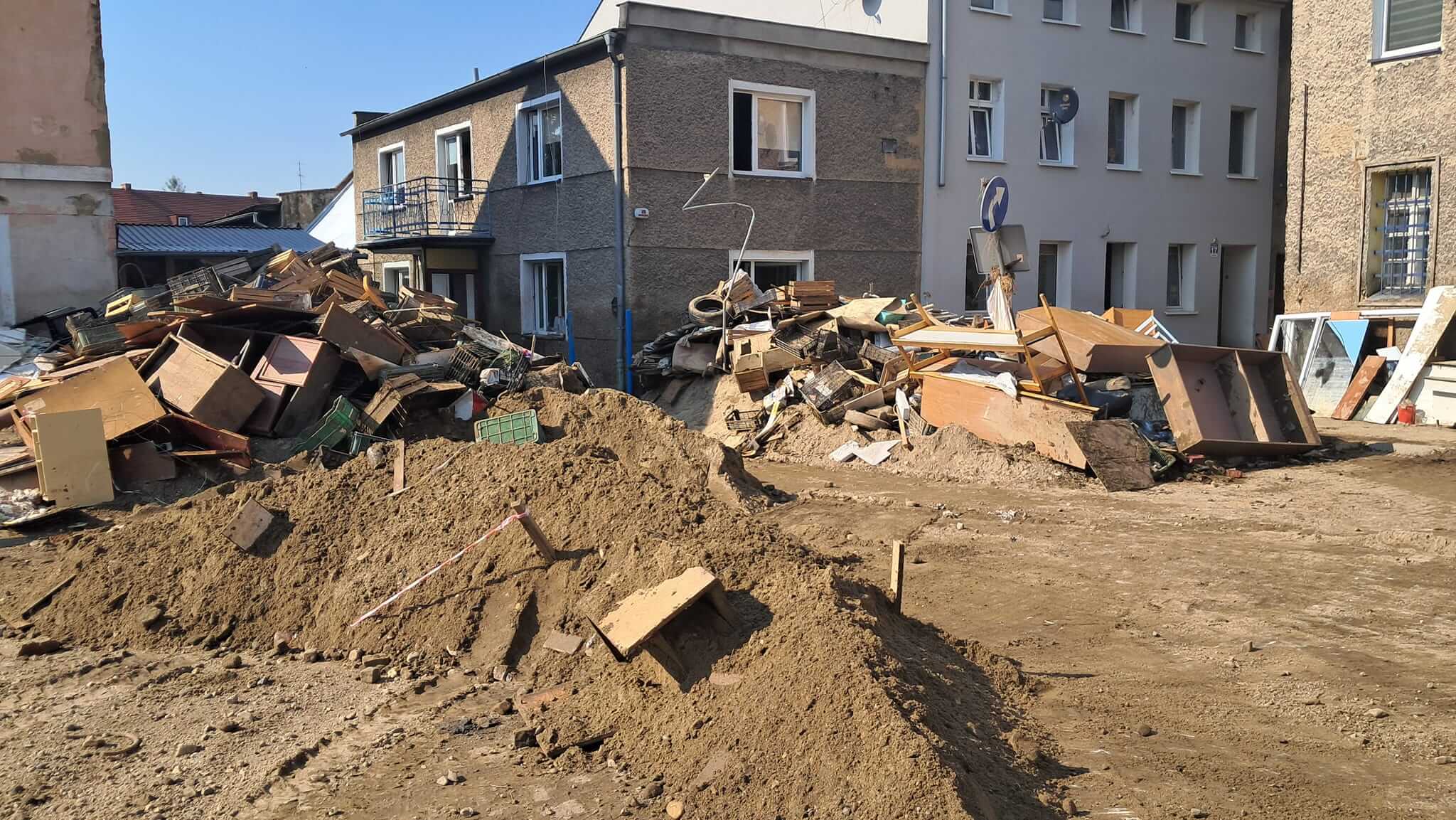
Natural disasters such as floods can leave a lasting mark on the psyche of those who have experienced them. In 2024, Lower Silesia was hit by a massive flood, which destroyed many houses and forced hundreds of residents to evacuate. As a result of heavy rainfall, rivers such as the Oder, Bóbr and Nysa Kłodzka have rapidly exceeded the alert levels. The towns located along these rivers have suffered the most, m.in. Wrocław, Legnica and Kłodzko. The flood wave peaked in early September, forcing many families to flee their homes and leave all their belongings behind.
Experiencing such a tragedy can be traumatic and trigger strong emotional reactions, such as anxiety, sadness, feelings of helplessness or anger. Psychological support plays a key role in dealing with these feelings. The first step in working with trauma is acknowledging your emotions. Victims often try to push their feelings aside by focusing on rebuilding their lives. However, it’s important to give yourself time to experience grief and stress, as repressed emotions can lead to long-term mental health problems such as depression or anxiety disorders.
Specialist support can be invaluable in such situations. Psychologists and psychotherapists offer various forms of therapy to help you understand and process trauma. One effective approach is cognitive behavioral therapy (CBT), which helps change negative thinking patterns and behaviors associated with a traumatic event. Another form of support is EMDR (Eye Movement Desensitization and Reprocessing) therapy, which is effective in reducing the symptoms of post-traumatic stress disorder (PTSD). It is worth noting that these therapies are tailored to the individual needs of the patient, which increases their effectiveness and helps in the recovery process.
Support groups are another form of help that is worth considering. Meetings with people who have gone through similar experiences can be a source of encouragement and understanding. Sharing experiences together allows you to see that you are not alone in your feelings, and this often gives you strength to cope with difficulties. Support groups often create an atmosphere of acceptance and understanding, which can be especially helpful when a person struggling with trauma feels misunderstood or alone.
People affected by flooding should also remember to take care of their basic needs, such as sleep, regular meals or physical activity. The body and mind are closely interconnected, so taking care of your physical health can have a positive effect on your mental well-being. It’s also a good idea to implement simple relaxation techniques, such as meditation or deep breathing, which can help reduce stress and tension.
Accepting the support of loved ones is also crucial. Often, family and friends are the closest source of help and emotional support. Being open to talking and sharing your feelings with trusted people can bring relief and strengthen relationships, which are important in the process of returning to normalcy.
If you have survived a flood or other disaster or disaster and feel that you cannot cope with emotions on your own, do not hesitate to reach out for help. A psychotherapist in the form of online psychotherapy can help you understand what you are experiencing and find ways to rebuild your inner peace. Remember that each person reacts differently to trauma, so it’s important to find the right form of support for yourself and give yourself time to get back into balance.