


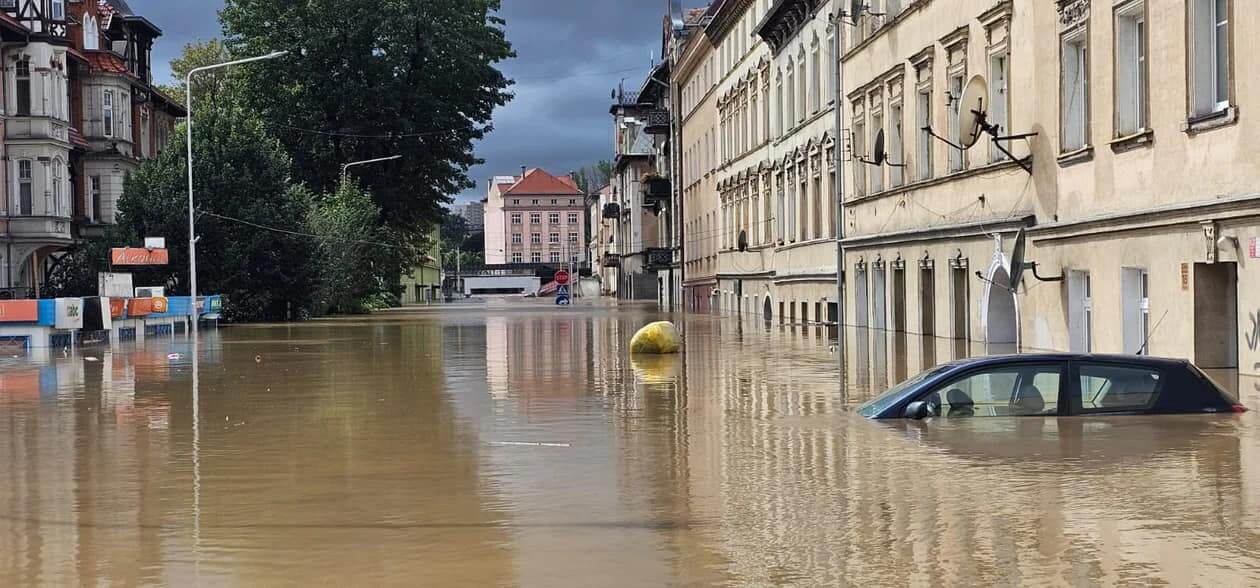
The flood that hit Lower Silesia in 2024 left many people feeling helpless, anxious and insecure. The loss of home, possessions and a sense of security are experiences that can strongly affect the psyche. In such moments, it is worth considering using the professional help of a psychotherapist. Why is it so important?
Psychotherapy helps to understand and process the emotions that accompany a traumatic event. Loss of control over life, fear for the future and a sense of injustice are natural reactions after surviving a flood. A therapist can help you understand these feelings and teach you how to deal with them on a daily basis.
One of the effective tools used in therapy is cognitive behavioral therapy (CBT), which focuses on identifying and changing negative thinking patterns. This allows the traumatized person to learn how to influence their emotions and reactions, which helps to reduce anxiety and stress.
Another approach that may be helpful is EMDR (Eye Movement Desensitization and Reprocessing) therapy. It is used to treat post-traumatic stress disorder (PTSD) and involves stimulating eye movements when remembering traumatic events. This method helps to process and neutralize negative emotions related to trauma.
Why is it worth using the help of a specialist? A flood is an event that evokes many difficult emotions and can affect everyday functioning. A psychotherapist offers a safe space to express your feelings and concerns, without worrying about being judged. In addition, the specialist can tailor the therapy methods to the individual needs of the patient, which increases the effectiveness of the support.
It is also worth remembering that there is no one-size-fits-all way to recovery after traumatic events. For some, regular psychotherapeutic sessions will be effective, for others, group therapy may be more helpful, which allows for the exchange of experiences with people experiencing similar difficulties. Regardless of the form of support you choose, it is crucial to get help in dealing with negative emotions and build new strategies for the future.
Long-term stress and unprocessed traumas can lead to more serious problems, such as depression or anxiety disorders. Early therapy after these types of disasters or natural disasters can prevent these problems from developing, restoring mental balance and helping you regain control of your life.