


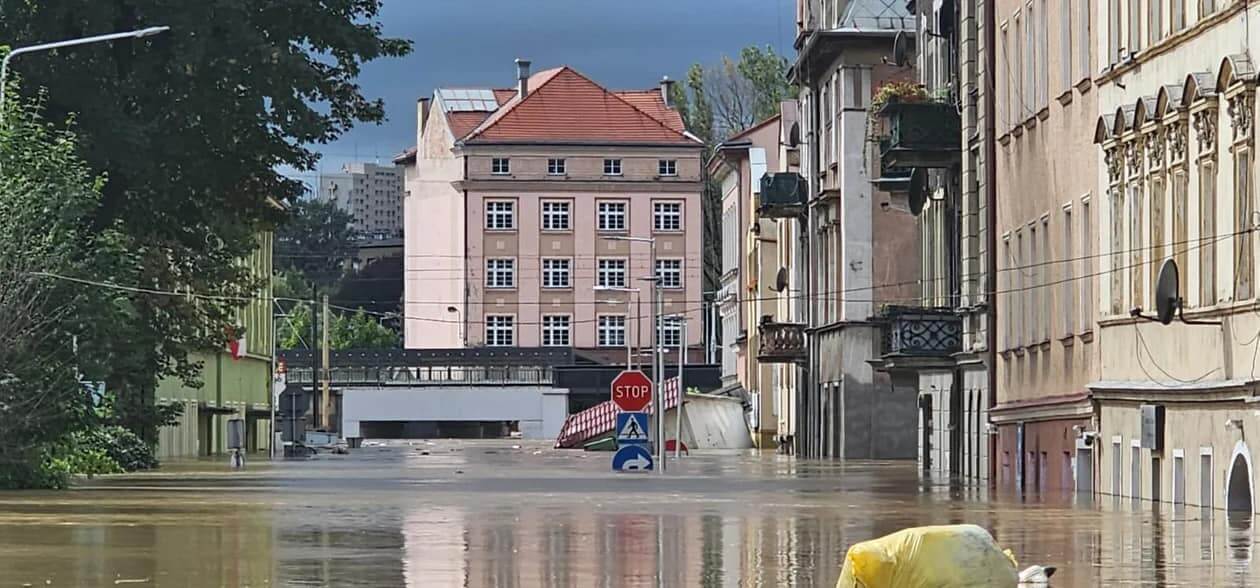
The flood that hit Lower Silesia in 2024 left behind not only destroyed houses and infrastructure, but also permanent traces in the psyche of residents. In such situations, it is natural to feel fear, anxiety and anxiety. However, for some people, these feelings can develop into a more permanent disorder – post-traumatic stress disorder (PTSD). How to recognize the symptoms of this condition in yourself or your loved ones?
Post-traumatic stress – what is it?
Post-traumatic stress disorder (PTSD) is a disorder that can occur after a traumatic event, such as a flood. Its symptoms include intense and persistent feelings of fear, sadness or anger. People with PTSD may experience so-called “flashbacks” – sudden, unwanted memories related to the disaster that cause severe stress and anxiety. They may also have sleep problems, such as insomnia or nightmares.
Another characteristic symptom is the avoidance of places and situations associated with a traumatic event. A person may avoid places where there was a flood or talk about it so as not to return to painful memories. This avoidance often leads to isolation and loneliness.
Physical symptoms such asheadaches, rapid heartbeat, shortness of breath or constant muscle tension are also common. They are the result of excessive stimulation of the nervous system, which persists even after the immediate threat has subsided.
The importance of supporting loved ones
People struggling with PTSD often have difficulty opening up to others. Loved ones can help by offering emotional support, listening without judgment, and helping them understand that reaching out for help from a specialist is not a sign of weakness. Often, it is the loved ones who are the first to notice changes in behavior and can encourage a person to talk to a psychologist.
Effective forms of therapy
Psychological support is crucial in diagnosing and treating PTSD. If you notice the above symptoms in yourself or your loved ones and they persist for several weeks, it is worth consulting a psychologist or psychotherapist. Specialists will help you understand and work through traumatic experiences. One effective therapy is cognitive behavioral therapy (CBT) or EMDR (Eye Movement Desensitization and Reprocessing), which are particularly effective in treating trauma. It is also worth mentioning that some people can benefit from group therapy, which allows them to share experiences and learn from others who have experienced similar traumas.
Don’t delay acting
Do not underestimate the signals from your body. Recognizing the symptoms of post-traumatic stress is the first step to recovery and mental balance. The sooner action is taken, the greater the chance of effective help. Remember that reaching out for support is a sign of strength, not weakness. In a flood situation that affects the entire community, it is also worth remembering to build a support network for flood victims – both family and neighbor.