



Integrative therapy combines techniques that come from different psychotherapeutic currents to adapt them to the needs of the patient and the progress of the therapeutic process. A good understanding of a particular person plays an important role here. This approach assumes that there are no universal methods that would bring the same effects for everyone.
Assumptions of integrative psychotherapy
Proponents of integrative therapy point out that the human psyche is complex. The same ways of working can bring different results for different people. For this reason, therapeutic methods should be adapted to the patient’s problems and personality.
To achieve the best results, it is worth drawing on psychodynamic, behavioral-cognitive, systemic and humanistic therapy. All of these currents have proven effectiveness and provide a number of tools that are helpful for various difficulties.
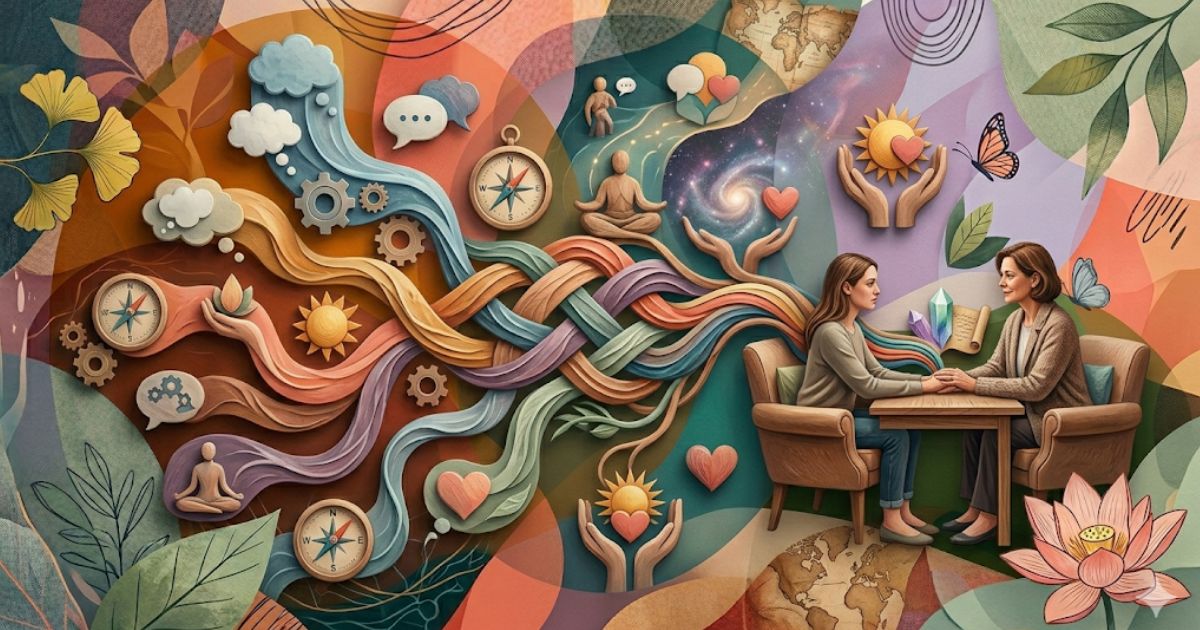
In integrative therapy, you can use, for example, behavioral experiments, typical of psychodynamic therapy, dream analysis or relaxation techniques.
When can integrative therapy be used?
Because integrative therapy uses a wide range of tools, it can be used for a variety of mental health issues. It brings very good m.in effects. at:
- personality disorders,
- addictions,
- eating disorders,
- phobias and fears,
- emotional disorders,
- problems in social relationships,
- destructive and self-destructive disorders,
- PTSD,
- DDA and DDD syndrome.
How long does integrative psychotherapy last?
Integrative therapy can last from several months to several years. This is determined by the type of problems a person is struggling with and their readiness to engage in the therapeutic process.