


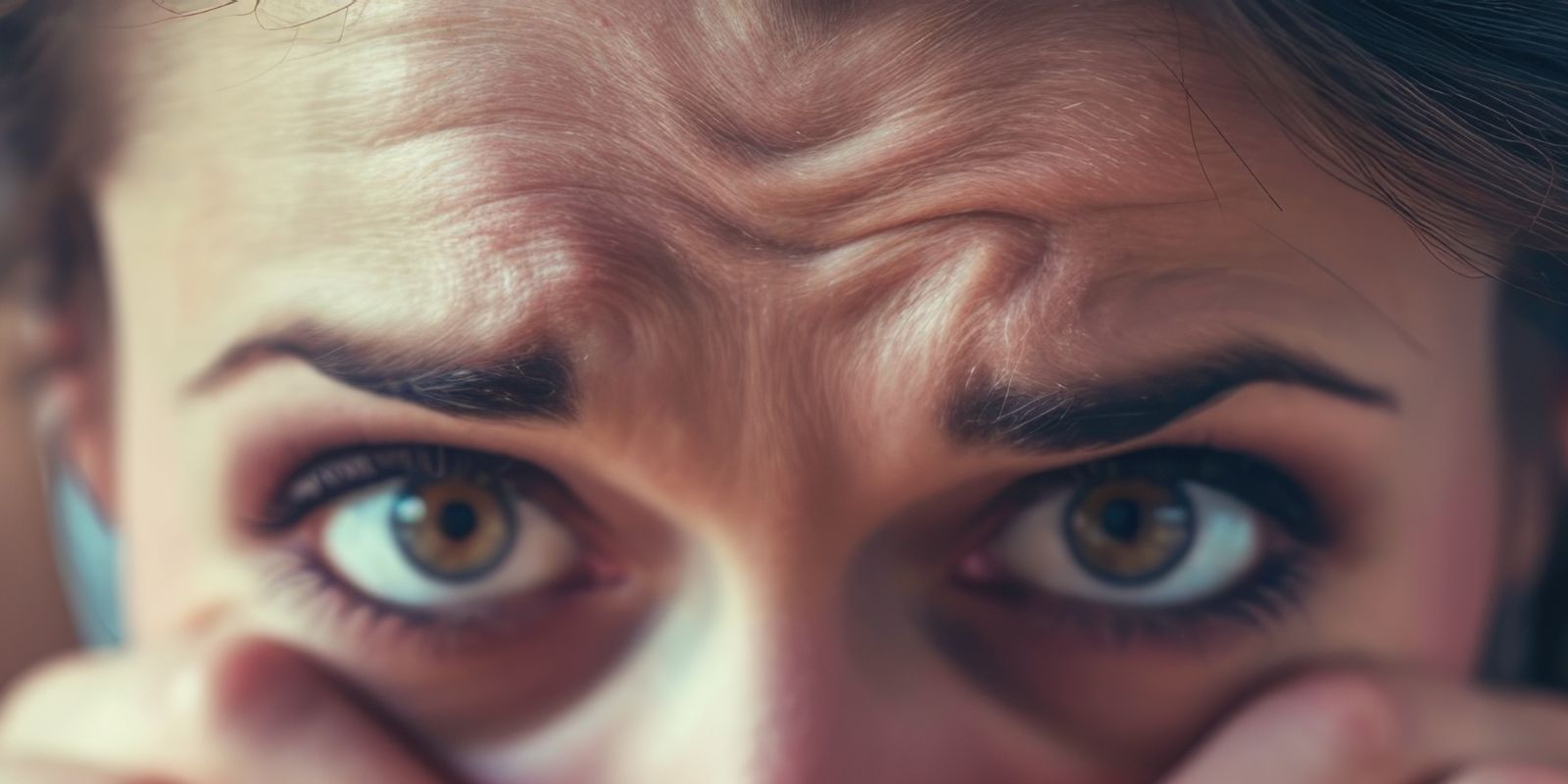
Do panic attacks take away the joy of life and a sense of control from you or your loved ones? You don’t have to (you don’t have to) fight it yourself. We offer comprehensive help to help you understand your emotions and deal with anxiety attacks effectively.
What do I offer you?
- Individual therapy sessions – meetings with an experienced psychologist who will help you find the source of the problem and effective solutions.
- Relaxation technique workshops – you will learn how to effectively reduce tension and panic in stressful situations.
- Online support program – access to tools and materials to help manage anxiety.
- Access to experts – consultations with a psychotherapist specializing in the treatment of anxiety disorders.
Why trust me?
- I suggest you Effective Methods Based on Cognitive Behavioral Therapy (CBT).
- A tailored action plan that takes into account your needs.
- I provide discretion, professionalism and full support at every stage of therapy.
- Working with a specialist means a quick improvement in the quality of life and a sense of control over emotions.
- Convenient online sessions and flexible dates tailored to you…
Welcome, Paulina Kubś
In Poland, the problem of panic attacks affects a significant part of the population. It is estimated that about 7.04% of Poles have had at least one panic attack in their lives. Other sources indicate that about 5% of the population suffers from anxiety disorders related to panic attacks. In the context of treatment, at least 800,000 people regularly struggle with panic attacks, which is a significant percentage of people diagnosed with anxiety disorders in Poland. It is also worth noting that women are treated for these problems 50% more often than men. Access to specialists is limited; one psychotherapist for about 2.7 thousand Poles, and one psychiatrist for every 7.5 thousand.
Sources:
- gov.pl/attachment/82261ed5-8c47-4ab7-9241-18fca8ea75ab
- tvn24.pl/polska/zaburzenia-psychiczne-i-zaburzenia-zachowan-cierpi-na-nie-coraz-wiecej-polakow-ponad-14-miliona-zwolnien-lekarskich-st7772200
- ezop.edu.pl/wp-content/uploads/2021/12/EZOPII_Wyniki-badania-dzieci-i-mlodziezy-7-17-lat.pdf
Panic attacks – what are they, symptoms, treatment, coping on your own
Panic attacks are sudden episodes of intense anxiety that can be overwhelming both physically and emotionally. For many people, they are surprising and difficult to understand, which intensifies stress and anxiety. In this article, we will take a closer look at this phenomenon, its symptoms, methods of treatment and methods of dealing with them on your own.
What are panic attacks?
Panic attacks are intense episodes of fear that occur suddenly and often for no apparent reason. They can last anywhere from a few minutes to half an hour, although the emotional effects can last much longer. These attacks are often associated with anxiety disorders, but they can also occur in people who do not have a diagnosed mental illness.
Factors that promote panic attacks include:
- chronic stress and tension,
- traumatic experiences,
- abuse of substances such as alcohol or drugs,
- hormonal changes, e.g. during pregnancy or menopause.
The most common symptoms of a panic attack
During a panic attack, the body reacts as if it were in a situation of danger, even if there is no real danger. These symptoms can be very diverse, but the most common include:
- physical: rapid heartbeat, feeling of shortness of breath, dizziness, trembling hands, sweating, chest pain or a feeling of choking in the throat,
- emotional: intense anxiety, a feeling of loss of control over the body, fear of death or fear of “going crazy”,
- mental: feeling unreal, feeling that the environment is different than usual, confusion.
These symptoms can be confused with other conditions, such as a heart attack, which makes people experiencing panic attacks often seek help in emergency departments.
What does the treatment of panic attacks look like?
Treatment for panic attacks depends on the frequency of their occurrence and the intensity of symptoms. In most cases, you can effectively reduce symptoms and improve your quality of life. Here are the most common methods of therapy:
- Psychotherapy
Cognitive behavioral therapy (CBT) is one of the most effective forms of therapy for treating panic attacks. It helps to understand what mechanisms cause anxiety and teaches techniques for coping with difficult emotions. - Pharmacotherapy
In some cases, doctors recommend the use of anxiolytics or antidepressants. Selective serotonin reuptake inhibitors (SSRIs) are popular, as they help reduce anxiety symptoms. - Group therapy and social support
Meeting other people experiencing similar problems can help you exchange experiences and feel that you are not alone in your struggles.
How to deal with panic attacks on your own?
While professional help is crucial, many people struggle to cope with panic attacks on their own. Many people ask themselves every day: panic attack, what to do? Below are some effective methods that can help in difficult times:
- Breathing exercises
Slow, deep breathing helps calm the nervous system. Focusing on regular inhalation and exhalation allows you to reduce the intensity of physical symptoms. - Relaxation techniques
Meditation, yoga or progressive muscle relaxation can help reduce tension and stress. - Avoiding caffeine and alcohol
These substances can exacerbate anxiety symptoms and make it difficult to cope with emotions. - Recognition and acceptance of symptoms
Understanding that symptoms are transient and not life-threatening can help break the spiral of anxiety. - Creating an “emotional anchor”
Finding something that has a calming effect – it could be your favorite music, the smell of essential oils, or contact with a loved one.
Panic attacks
Panic attacks are a difficult experience, but manageable with the right knowledge and support. It is crucial to understand the symptoms, use the available forms of treatment and introduce simple coping techniques in everyday life. Remember that seeking help is not a sign of weakness – it’s the first step to improving your well-being.
Panic attack
If the above information is not enough for you and you are still looking for the cause of panic attacks on your own, use the help of a professional, I will try to help you, I will offer treatment in the form of therapy, I will diagnose the causes that will eliminate the symptoms and tell you what an anxiety attack looks like and when it is a panic attack. Take advantage of my professional help today – ensure a better tomorrow… Paulina Kubś.