


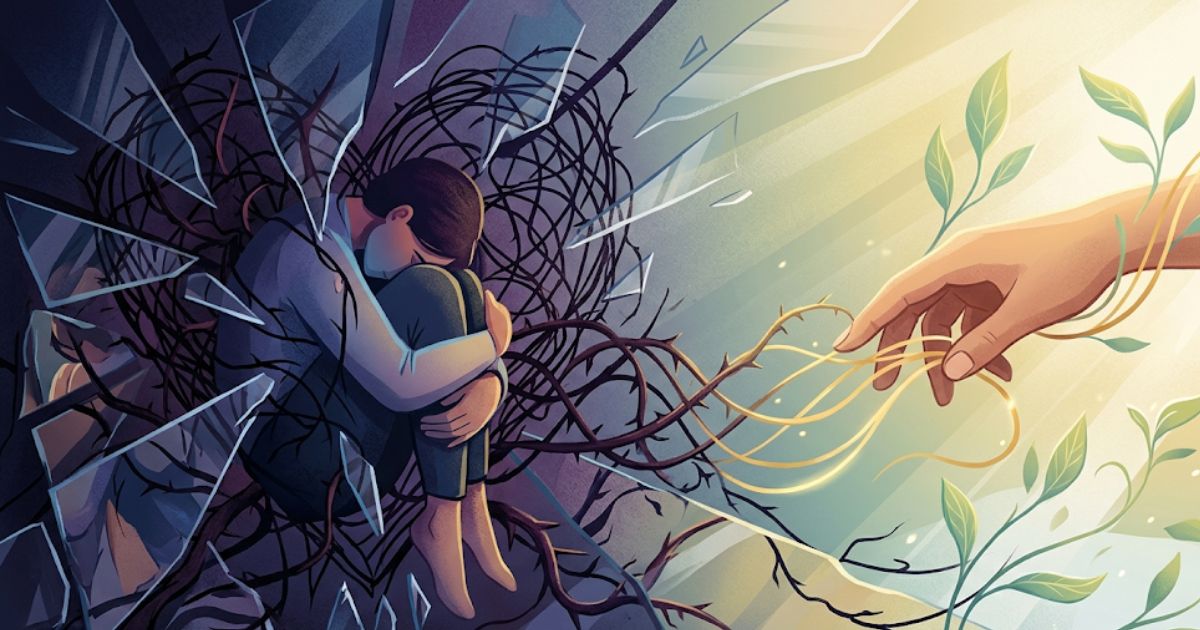
In psychology, destruction means striving to destroy one’s surroundings or, in the case of self-destruction, oneself. It can be conscious or unconscious, and is caused by various disorders, including trauma and lack of ability to cope with stress. The harmfulness of destructive and self-destructive behaviour means that people who exhibit them often require specialist help in the form of psychotherapy.
What is self-destruction and destruction?
Self-destructive actions include, m.in:
- abuse of psychoactive substances,
- starvation or induction of vomiting,
- self-harm and other forms of intentional bodily harm,
- risky behaviour, such as going to dangerous places, driving a car at excessive speeding or casual unprotected sexual contact ,
- suicide attempts.
Destruction directed at the environment can take many forms, including:
- physical or verbal aggression,
- destroying other people’s property,
- provoking conflicts,
- manipulating, intimidating or emotionally exploiting others.
Causes of self-destructive and destructive behavior
Self-destruction and destruction often occur in people who:
- They have experienced violence – physical, emotional or psychological.
- They have personality disorders – destructive traits appear, for example, in people with borderline personality.
- They feel strong mental tension – activities such as self-harm or fasting can serve to suppress anxiety and stress.
- They struggle with peer pressure – this is especially common among teenagers who engage in risky behaviour for fear of losing the group’s acceptance.
- Determining the reasons for destruction or self-destruction is an important goal in the beginning of therapy, because when working with the patient, it is essential to focus on the cause of the problem