


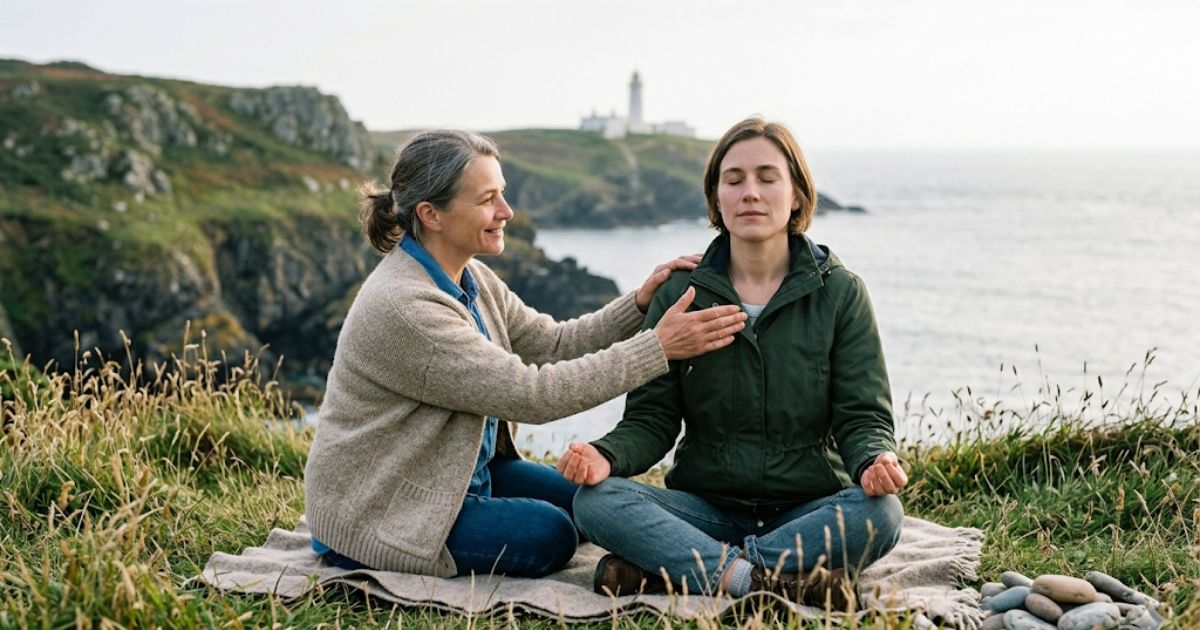
Coping with stress is the ability to maintain balance in situations that cause mental tension. A person’s reactions to emerging difficulties depend on both innate and acquired characteristics. You can work on how to behave under stress, among other things, by learning to express emotions and relaxation techniques.
What does working on stress look like?
In the process of improving stress management, understanding the causes of individual human reactions plays an important role. This is especially true for people who are prone to outbursts of anger and aggression or self-aggression. Such behaviors may be related to traumatic experiences, so they require appropriate psychotherapy.
When working with people who experience stress, eliminating destructive forms of emotional expression plays an important role. They need to be replaced with safe ways of expressing emotions.
Relaxation techniques such as meditation, visualization or muscle relaxation are also very helpful. They help reduce tension levels and help maintain balance in the face of stressful events.
When is it worth improving your stress management skills?
Support in the fight against stress is useful for people who, as a result of mental tension, experience such problems as:
- outbursts of anger,
- sleep disorders,
- concentration problems,
- irritability,
- mood swings,
- headaches,
- disorders of the digestive system.
This skill should also be developed in a special way by representatives of professions most exposed to stress, e.g. doctors, uniformed service workers, social workers, airplane pilots, stockbrokers.