


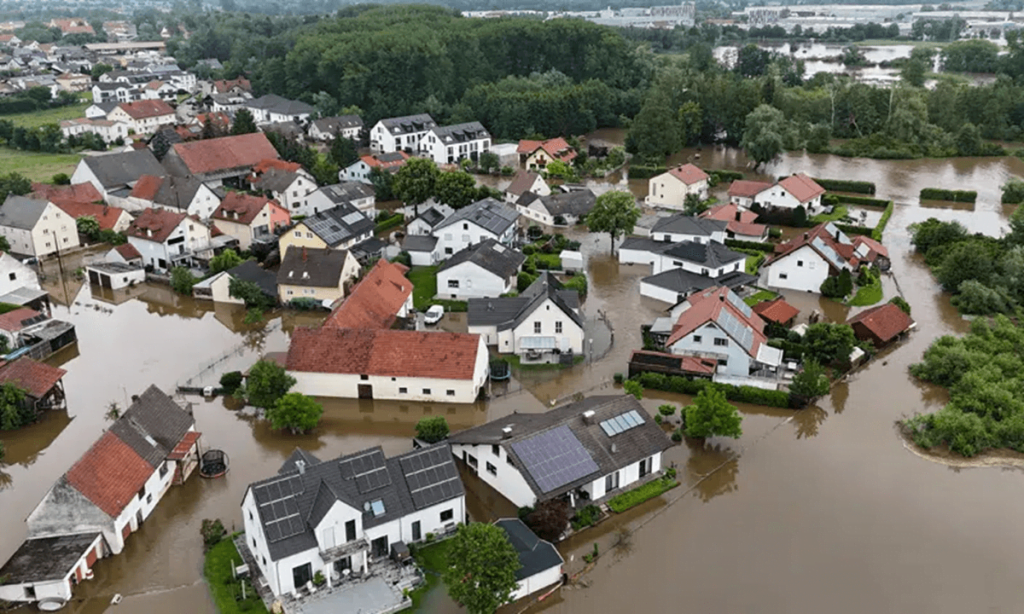
Natural disasters such as floods bring enormous losses – both material and emotional. In 2024, the flood that hit Lower Silesia destroyed many houses, forcing residents to evacuate suddenly and leave behind their entire life’s achievements. These traumatic events have left a permanent mark on the psyche of many people. Rebuilding after a flood is not only a matter of repairing the damage, but also the process of dealing with pain, fear and a sense of loss of security. Psychological help for flood victims may turn out to be crucial in regaining balance and regaining control over their own lives.
Why is it worth using the help of a specialist?
Flooding is not only a loss of property, but also the destruction of a sense of security and stability. People affected by flooding can experience intense emotions – from anger to sadness to helplessness. These reactions are natural and result from trying to cope with a sudden change that turns life upside down. In such moments, psychological support is invaluable. It allows you to understand and accept your feelings, avoiding the suppression of emotions that can lead to more serious mental problems in the long run, such as depression or post-traumatic stress disorder (PTSD).
Psychotherapy as support in difficult times
Psychotherapy for people affected by floods focuses on working through the trauma and gradually regaining control of their lives. Effective therapeutic methods in such situations include cognitive behavioral therapy (CBT), which helps identify and change negative thinking patterns associated with the traumatic event. The support of a specialist allows you to learn how to deal with the anxiety and anxiety that often accompany the experiences of a natural disaster.
Interventional Systemic-Cultural Psychotherapy (IPSK) for flood victims
One of the forms of help that can be particularly effective in a situation of trauma caused by a natural disaster is Systemic-Cultural Intervention Psychotherapy (IPSK). This approach combines different fields of psychology and therapeutic techniques, enabling a comprehensive understanding of the patient’s problems. IPSK allows you to fully work through difficult experiences, eliminating factors that interfere with therapy and adapting it to the individual needs of the patient. Thanks to this, psychotherapy becomes not only a means of surviving difficult moments, but also a tool for building a new structure of life after trauma.
Recognizing the symptoms of trauma after a flood
People affected by flooding often struggle with symptoms of post-traumatic stress. These can include symptoms such as sleep problems, irritability, constant feelings of anxiety, as well as difficulty concentrating. In extreme cases, there may be so-called “flashbacks” – sudden, unwanted memories related to a traumatic event, causing strong emotional reactions. If you notice these symptoms in yourself or your loved ones, it is worth seeking professional help. As part of psychotherapy, it is possible not only to understand and accept one’s feelings, but also to learn how to effectively deal with emotions and rebuild a sense of security.
Support in the difficult process of returning to normality
The process of returning to normality after the flood is long and requires a lot of patience and understanding for yourself. The support of a professional can help you get through this difficult period, gradually rebuilding your emotional balance. In therapy, I focus on the patient’s needs, adapting the methods to their individual situation. Psychological help for flood victims is not only about working on experiencing trauma, but also about rebuilding self-esteem, self-confidence and faith in the future.
Support groups – you are not alone
In emergencies, such as flooding, it is also often helpful to participate in support groups. Being able to talk to people who have had similar experiences brings relief and helps you understand that you are not alone in your feelings. Sharing experiences together and supporting each other can be an important element in the recovery process.
Why is it worth using therapy?
A natural disaster is an event that affects all aspects of life – from everyday duties to relationships with loved ones. Therapy allows not only to work through traumatic events, but also to regain inner peace and build a new perspective for the future. By acting together, we can restore a sense of security and learn to deal with emotions in a healthy way. If you feel that you need support during this difficult time, do not hesitate to reach out for help.
I invite you to a consultation – together we can start the process of rebuilding your life after the flood…