


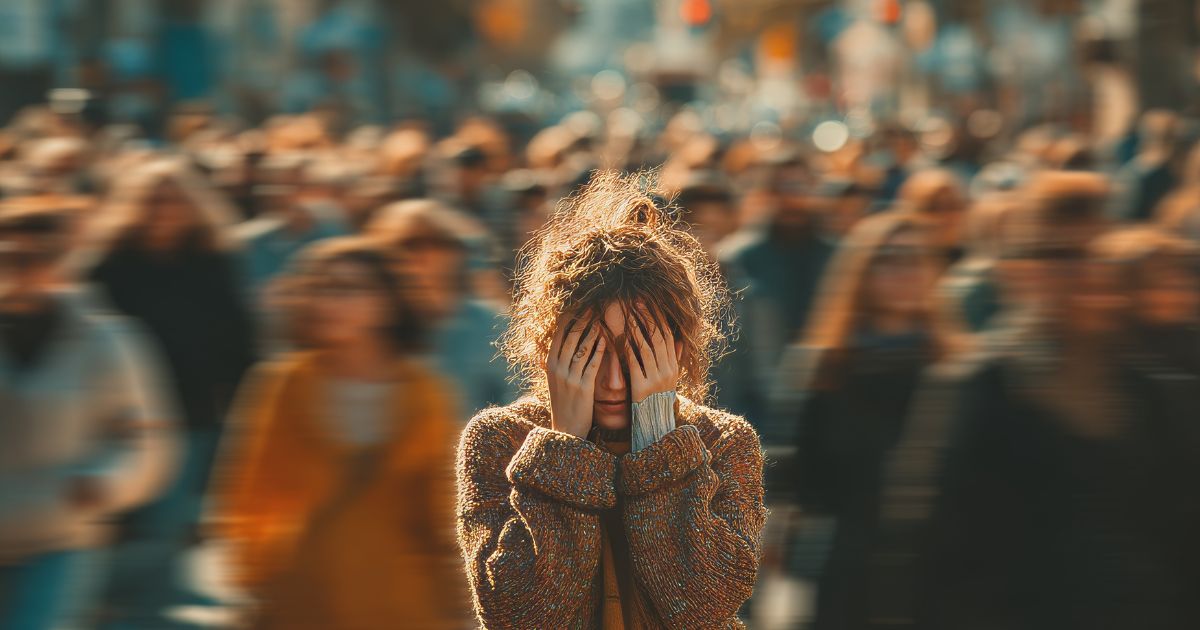
According to data published by the Center for Women’s Rights, 400 women die annually in Poland as a result of violence. Some die at the hands of their tormentors, others as a result of suicide. Relationship violence is a topic that is theoretically talked about a lot, but in fact still not enough to prevent further tragedies.
It is worth taking a closer look at the types of violence, its perpetrators and the situation of the victims, and explaining where you can seek help.
Types of Relationship Violence
Although violence is primarily associated with beatings, it actually takes many forms.
- Physical violence
It’s not just beating, choking or pushing. It can also include kicking, burning, restricting movements, or other actions that are intended to cause pain to the victim.
- Psychological violence
The perpetrator of psychological violence humiliates, controls and isolates the other person from their loved ones. They can browse the victim’s phone or internet, limit social contacts, and use threats, such as taking away children.
- Economic violence
It consists in taking away money, prohibiting work or making it difficult to take up employment. This should also include taking loans or indebting the victim without her consent.
- Sexual violence
These are marital rape and forcing another person to have intercourse or perform other sexual activities against their will.
- Exploitation and trafficking in human beings
The most extreme cases include selling nude photos without the consent of the person present, forcing them into prostitution or working on sex platforms. One example is the situation in Italy, where a group of 32,000 men shared nude photos of their wives with each other without their knowledge or consent.
All types of violence have in common the fact that they cause suffering to the victim. They cause long-term stress, a sense of danger and fear, and can lead to anxiety disorders, depression and even suicidal thoughts. The experience of violence often leaves a trauma that affects self-esteem, relationships with other people and makes it difficult to continue living.
Why don’t victims of violence leave?
Violence often works slowly – it starts with minor humiliations, “jokingly” checking the phone or arguing about talking to a friend. Many victims then look for guilt in themselves, which is obviously a mistake.
Women experiencing violence in a relationship often feel shame, which blocks them from confiding their problems even to those closest to them. It is not uncommon to fear that family and friends simply won’t believe them. This is especially true when the perpetrator is a person who is liked and respected.
Unfortunately, it happens that victims of violence do not leave an abusive partner due to a lack of support from their loved ones. In some circles, there is still a belief that the family is a sacredness that cannot be broken up regardless of the circumstances.
Economic reasons are also important. Women are afraid that they will not be able to support themselves and their children on their own, so they stand by the side of the abuser.
The fear of revenge and loss of life also keeps him from leaving.
Where to look for help?
If you are a victim of violence, let yourself be helped. You have the right to safety, respect and peace.
If you witness violence, don’t pretend you don’t see the problem. You can report anonymously, so you don’t have to worry about your safety. Remember that your reaction can save another person’s life.
In an emergency, call:
- 112 – emergency number,
- 997 – emergency number for the Police in Poland.
Foundations and helplines are also at your disposal:
- 800 12 00 02 – Blue Line of the National Emergency Service for Victims of Domestic Violence, open around the clock,
- 800 107 777 – Women’s Rights Centre,
- 800 120 226 – police helpline