


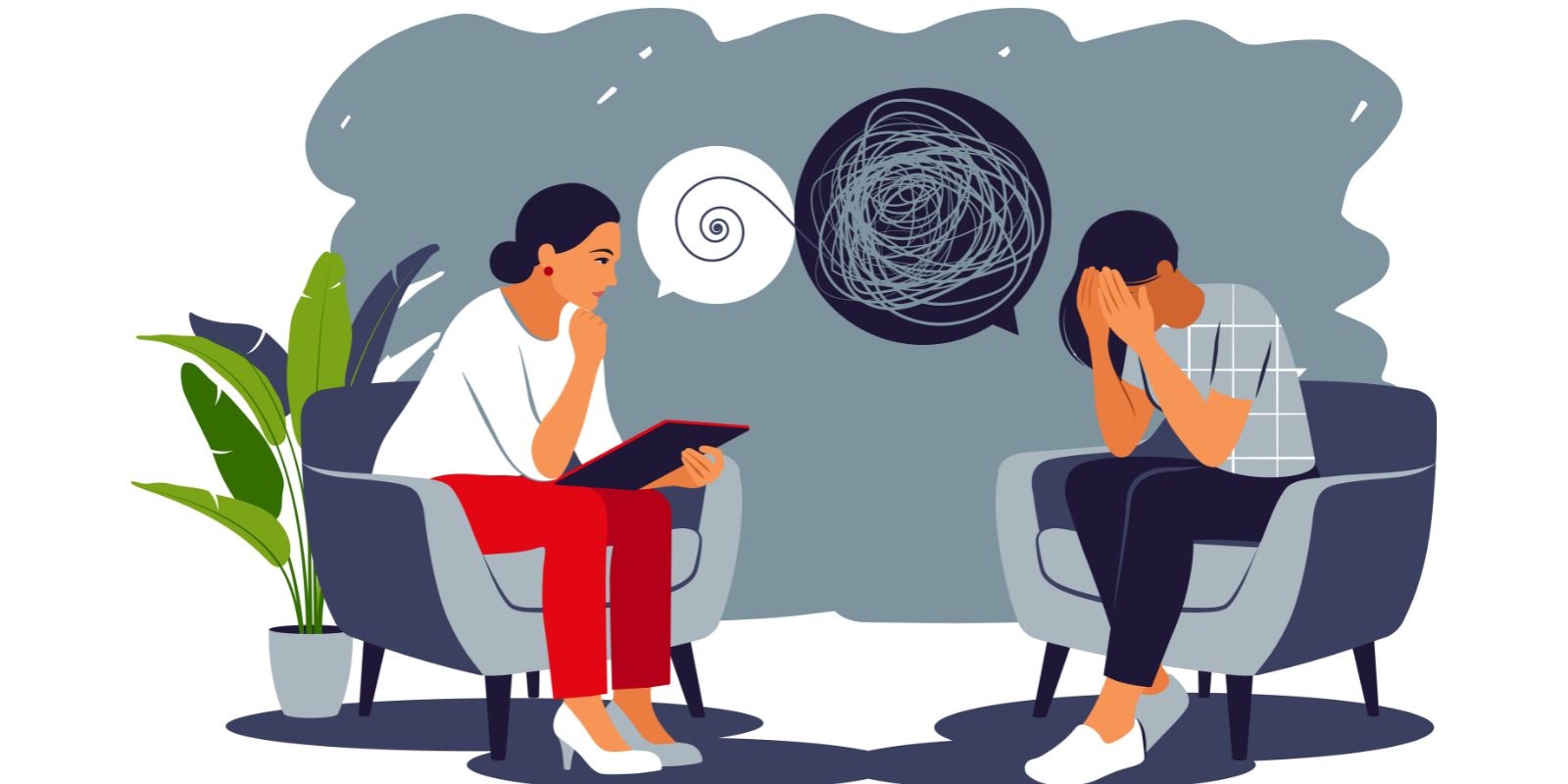
Have you ever wondered when it is worth using the help of a psychologist? There may be moments in everyone’s life when emotions and problems begin to overwhelm us. Chronic stress, sleep problems, loss of interest in everyday activities are just some of the signals that it is worth considering consulting a psychologist. In this article, we will discuss how a psychologist can help manage stress, when couples therapy can save a relationship, and in what situations children and adolescents may need support. We will also present the role of a psychologist in the treatment of mental disorders and suggest how to find the right specialist. Find out how professional help can improve the quality of your life and relationships with others.
Warning signs that you need the help of a psychologist
There may be moments in everyone’s life when emotional and physical symptoms begin to overwhelm us. It is worth paying attention to certain warning signs that may indicate the need to consult a psychologist. Here are a few of them:
- Chronic stress: If you feel constant tension that does not go away even after resting, it may be a signal that you need the support of a specialist.
- Sleep problems: Difficulty falling asleep, waking up frequently at night, or feeling tired despite a good night’s sleep can indicate deeper emotional problems.
- Loss of interest in daily activities: If the things that used to make you happy now seem meaningless, then it may be a sign that it is worth talking to a psychologist.
Comparing different symptoms can help you understand when it is worth seeking help from a psychologist:
| Symptom | Description | Example |
|---|---|---|
| Chronic stress | A constant feeling of tension and anxiety that does not go away. | Constant worry about work, health, or relationships. |
| Sleep problems | Difficulty falling asleep, frequent waking up at night. | Waking up at 3 a.m. and not being able to fall asleep again. |
| Loss of interest | Lack of joy from things that used to give pleasure. | Lack of desire to meet friends or pursue hobbies. |
If you notice any of these symptoms, don’t ignore them. Consulting a psychologist can help you understand and address issues that are affecting your daily life.
How a psychologist can help you cope with stress
Stress accompanies us at every step, and its effects can be really destructive. A psychologist can help you deal with this problem by using a variety of therapeutic techniques and methods. One of the most popular methods is cognitive behavioral therapy, which helps to change negative patterns of thinking and behavior. Thanks to this, the patient learns how to better cope with difficult situations and avoid excessive stress.
Another effective method is relaxation techniques, such as meditation or progressive muscle relaxation. These techniques help reduce tension and improve overall well-being. For example, a person working in a corporation who experiences high levels of stress on a daily basis may learn relaxation techniques to minimize its impact on mental and physical health.
| Method | Description | Application example |
|---|---|---|
| Cognitive-behavioral therapy | Changing negative patterns of thinking and behavior | A person with chronic stress learns to identify and change the thoughts that lead to stress |
| Relaxation techniques | Tension reduction methods such as meditation and progressive muscle relaxation | A corporate employee uses meditation to reduce daily stress |
It is also worth mentioning the psychologist’s individual approach to each patient. Each person is different, so the psychologist adapts the methods of therapy to the specific needs and problems of the patient. This makes the therapy more effective and brings better results.
When couples therapy can save a relationship
Many couples face various problems that can lead to serious crises in the relationship. Couples therapy can be extremely helpful in these situations, offering tools and techniques that help resolve conflicts and improve communication. Here are some scenarios where you might want to consider seeking help from a professional:
- Communication problems: Lack of ability to communicate effectively can lead to misunderstandings and growing conflicts. Couples therapy helps you learn effective communication and active listening.
- Betrayal: Betrayal is one of the most difficult experiences that can destroy trust in a relationship. Professional help can help you rebuild trust and work through the emotions associated with this event.
- Differences in raising children: Different approaches to parenting can lead to tension and conflict. Couples therapy can help you find a common language and develop coherent parenting methods.
It is worth remembering that couples therapy is not only for relationships in crisis. It can also be useful for couples who want to strengthen their relationship and prevent future problems. In any case, professional help can bring many benefits and improve the quality of life of both partners.
Psychological support for children and adolescents
Various situations may arise in the lives of children and adolescents that require psychological support. School problems, difficulties in peer relationships or divorce of parents are just some of them. In such moments, it is worth using the help of a specialist who will help young people understand and work through their emotions.
Here are some situations in which children and young people may need psychological support:
- School problems: learning difficulties, lack of motivation, stress related to exams.
- Difficulties in peer relationships: conflicts with colleagues, social isolation, bullying.
- Parental divorce: changes in the family structure, a sense of insecurity, fear of the future.
Each of these situations can significantly affect the well-being and emotional development of a young person. That is why it is so important to seek the help of a psychologist at the right time to help them get through these difficult moments.
The role of a psychologist in the treatment of mental disorders
Psychologists play a key role in the treatment of a variety of mental disorders. With their knowledge and experience, they can help patients deal with issues that affect their daily lives. Here are some examples of disorders that can be effectively treated by a psychologist:
- Depression: It is one of the most common mental disorders. Psychologists use a variety of therapeutic techniques, such as cognitive behavioral therapy (CBT), to help patients understand and change negative thinking patterns.
- Anxiety: Anxiety disorders can include phobias, panic attacks, and generalized anxiety. Psychologists help patients identify the sources of their fears and teach coping techniques such as relaxation techniques and exposure.
- Obsessive-Compulsive Disorder (OCD): People with OCD often experience intrusive thoughts and the compulsion to perform certain rituals. Psychologists work with patients to break this cycle through techniques such as exposure therapy and response prevention (ERP).
Each of these disorders requires an individual approach, and psychologists are equipped with tools and techniques that can help patients achieve better mental health. It is worth remembering that using the help of a psychologist can significantly improve the quality of life and restore emotional balance.
How to find the right psychologist for you
Choosing the right specialist can be challenging, but there are a few proven methods that can help you decide. First of all, it is worth paying attention to recommendations from friends or family who have already had experience with psychologists. Other people’s opinions can be a valuable source of information.
The next step is to check online reviews. Many websites offer reviews and ratings from specialists, which can make your choice easier. It is also important to pay attention to the professional qualifications of the psychologist. Make sure they have the appropriate education and certifications.
- Ask your friends and family for recommendations.
- Read online reviews about different psychologists.
- Check the professional qualifications and certificates of the specialist.